
Red Angus Origin: How the Red Hide Became Its Own Breed
The short version of red angus origin is this: red-hided calves have always shown up occasionally in Black Angus herds, since red is a recessive color carried quietly alongside the dominant black gene. For decades those red calves were culled or sold as commercial stock rather than kept for breeding, until a group of breeders decided the red hide deserved its own registry instead of being treated as an off-color mistake.
We run both Black Angus and Red Angus at Rochelle, and the origin question comes up more than you'd think, mostly from buyers who assume Red Angus is a separate breed that showed up independently. This post covers where the color actually comes from, when the registry split off, and where to look if you want Red Angus genetics today. On our site, Red Angus cattle are currently listed under our general Angus categories rather than a separate page, so our red angus cows for sale listings are the place to start.
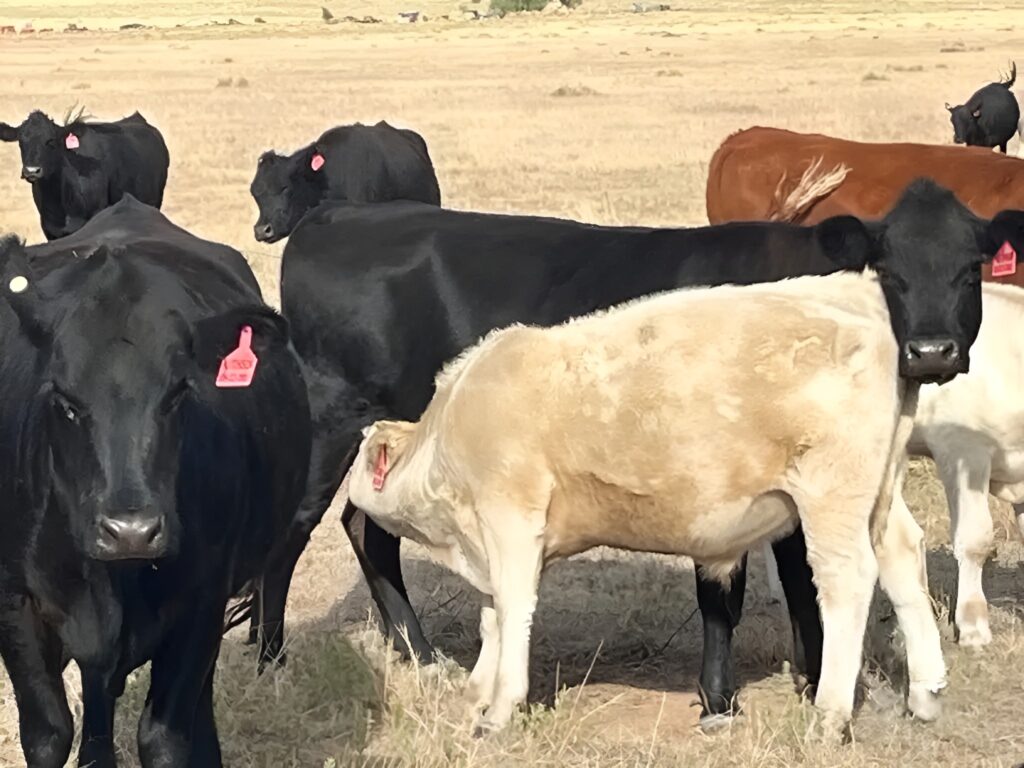
Red Angus Origin: Where the Red Hide Actually Comes From
The red hide in a red angus cow comes from a simple recessive gene that's been present in Angus genetics from the start, carried quietly behind the dominant black gene. Two black-hided Angus each carrying one copy of the recessive red gene can produce a red calf without either parent showing any red themselves, which is exactly how red calves kept appearing in otherwise all-black herds long before anyone thought to breed for it on purpose.
Why the Registry Split Off
For years, red-hided calves born into registered Black Angus herds couldn't be registered with the American Angus Association, since the breed standard required black. That left breeders with productive, functional cattle they couldn't paper, which is the practical root of red angus origin as its own registered line — it pushed a group of Red Angus breeders to form their own registry — the Red Angus Association of America — in 1954, so the red hide could be tracked, registered and bred for intentionally instead of treated as a cull.
Red Angus Beef Cow and Bull Traits That Carried Over
Once the registry split off, most of what makes a red angus beef cow valuable stayed the same as her black counterpart — moderate frame, good maternal instinct, and carcass quality close enough that some buyers argue you can't taste the difference. Red angus bulls carry the same growth and calving-ease EPDs commercial buyers look for in any Angus bull; a red angus bull just happens to come from a coat color that was once considered a mistake. If you're shopping herd sires either color, our angus bull sales page lists current bulls with EPDs attached.
If you want to see Black Angus and Red Angus side by side in the same set of pairs, our 80 Angus & Red Angus Pairs listing shows both colors from the same program.
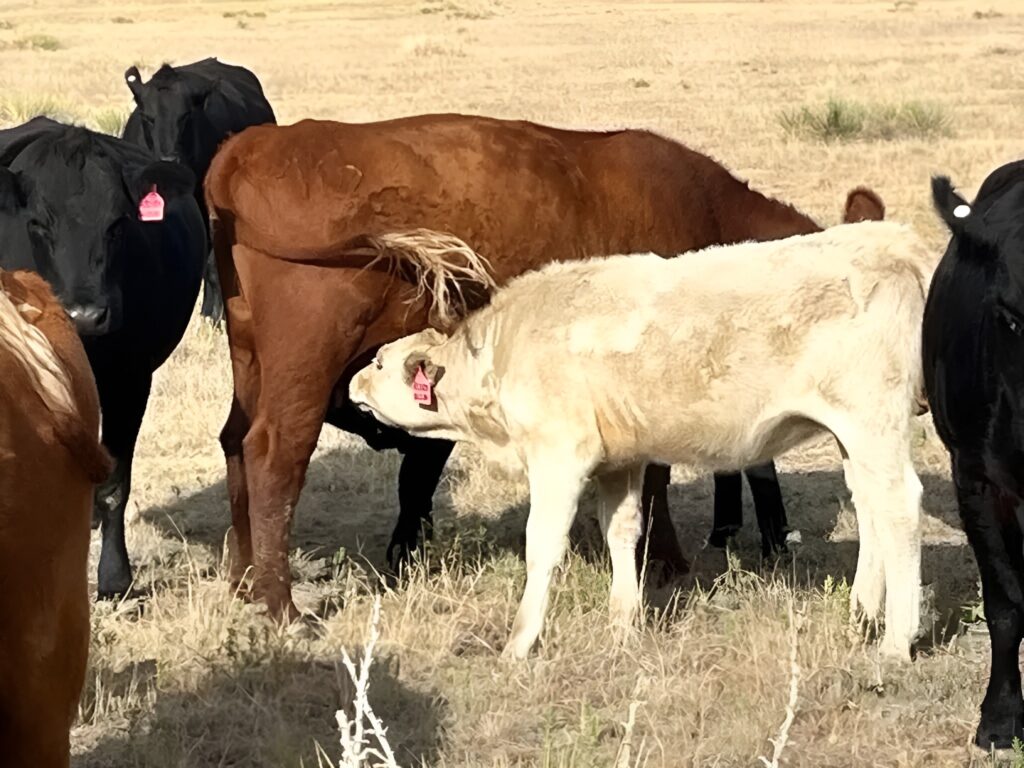
Red Angus Cow, Calf and Bull Basics
A red angus cow runs about the same frame and weight as a Black Angus cow of similar bloodline, since the only real difference is hide color. A red angus calf at side looks identical in build to a black calf, just red instead of black, and buyers raising a male red angus for a future herd sire should expect the same EPD-driven decision-making as they would with a black bull calf. A red angus bull calf with strong growth numbers is worth just as much attention as a black one with the same numbers — color doesn't change the math. Most of what buyers ask about under red angus cattle characteristics turns out to be Angus breed characteristics generally, just wearing a different coat.
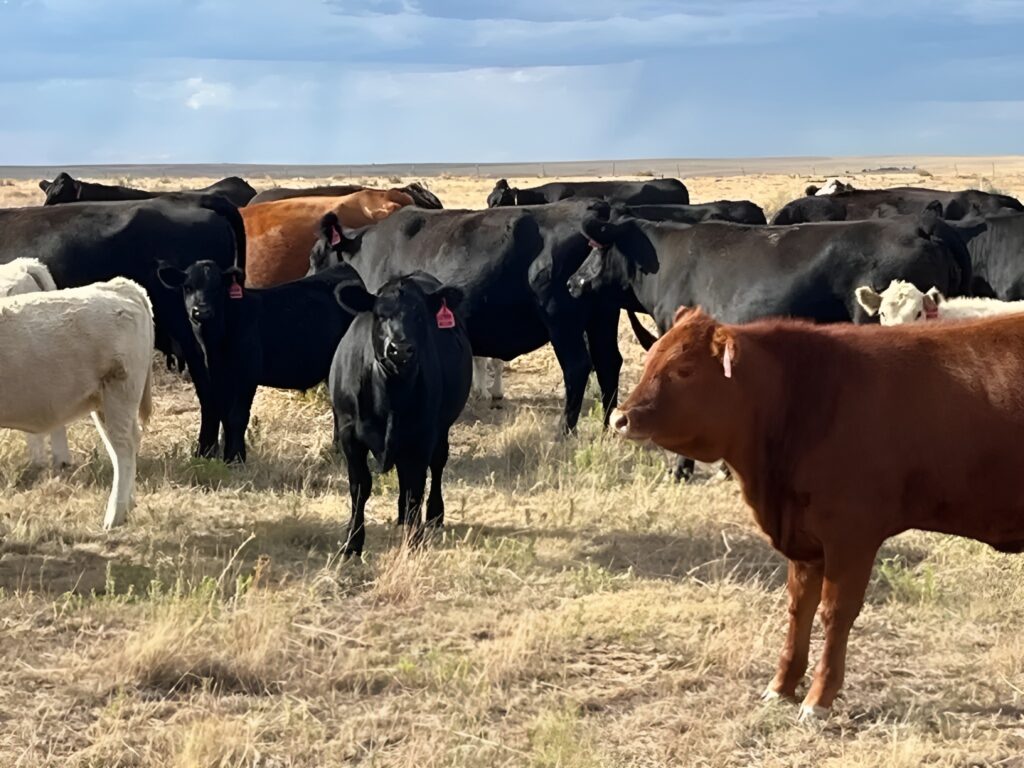
Buyer note: Don't discount a red-hided calf out of an otherwise Black Angus herd — the color came from the same genetics, and the performance numbers matter more than the hide.
Does Red Angus Handle Heat Better Than Black?
One practical difference between the two colors comes up more in a Texas summer than anywhere else in the pedigree: a red hide reflects more sunlight than a black one, so red-hided cattle generally run a slightly lower hide temperature on hot, sunny days. That doesn't make Red Angus a heat-tolerant breed on its own — Angus overall isn't known for the heat tolerance of a Brahman-influenced breed — but between the two colors, red cattle do tend to handle direct summer sun a bit more comfortably than solid black cattle, which some southern operations weigh when deciding which color to run. It's a minor factor compared to frame, EPDs and disposition, but it's real enough that we've noticed it ourselves watching both colors work the same pasture in August.
From our place
We didn't set out to run Red Angus specifically — we ended up with them the same way most commercial operations do, by keeping red calves that popped up out of Black Angus cows instead of culling them, and eventually deciding they were worth breeding for on purpose. What we've found running both colors side by side is that they perform about the same on our ground; the only real difference we manage for is that red cattle handle direct sun a little differently than black, which matters more in a Texas summer than any other trait we've noticed.
We go deeper on sizing Angus cattle up, red or black, in our post on Angus cow weight by age and frame.
Frequently asked questions
Is Red Angus a separate breed from Black Angus?
Genetically, Red Angus started as the same breed with a recessive red hide instead of the dominant black one. Since 1954 it has been registered and bred separately through its own association, so in practical terms it now functions as its own breed with its own registry.
When did Red Angus get its own registry?
The Red Angus Association of America was formed in 1954, after red-hided calves born into Black Angus herds couldn't be registered under the black-only American Angus Association standard at the time.
Why do some Black Angus cows have red calves?
Because both parents can carry a hidden copy of the recessive red gene without showing it themselves. When two carriers are bred together, roughly a quarter of their calves can come out red, even though neither parent is red.
Are Red Angus cattle worth less than Black Angus?
Not inherently. Performance, EPDs and carcass quality drive value more than hide color for most commercial buyers, though some sale barns and buyers do pay a slight premium for black hides due to branded beef programs.
Do Red Angus and Black Angus perform the same?
Largely, yes. Frame, growth, maternal traits and carcass quality are comparable between the two colors, since the underlying genetics are otherwise the same Angus breed.
Where can I buy Red Angus cattle?
Look for sellers who run Angus programs that include red-hided animals, since Red Angus is often listed alongside Black Angus rather than as its own separate category. Check EPDs and registration papers the same way you would for any Angus purchase.
Red angus origin comes down to one recessive gene and a group of breeders who decided a red hide was worth registering on its own — everything else about the breed carried straight over from Angus.
Looking for Red or Black Angus Genetics?
Every animal we list is priced on the listing — see current angus cattle prices and know that delivery is arranged to all 48 states.
Angus heifers for sale