Angus Cattle Facts Every Buyer Should Know Before They Bid
Angus cattle facts get thrown around a lot online, and a good share of them are either outdated or apply only to registered show cattle, not the commercial black angus cattle most buyers actually put money down on. Before you bid on anything, you want the facts that hold up at the chute and the scale, not the ones that just sound good in a headline.
We've run Angus and Angus-cross cattle at our place in Rochelle for more than 25 years, and this post covers what actually changes a buying decision — hide and polled genetics, frame and growth, temperament, calving, and what the breed's carcass reputation really means for your bottom line. If you're comparing a set of black angus cattle for sale, this is what we'd check first.
Angus Cattle Facts About Color, Horns and Hide
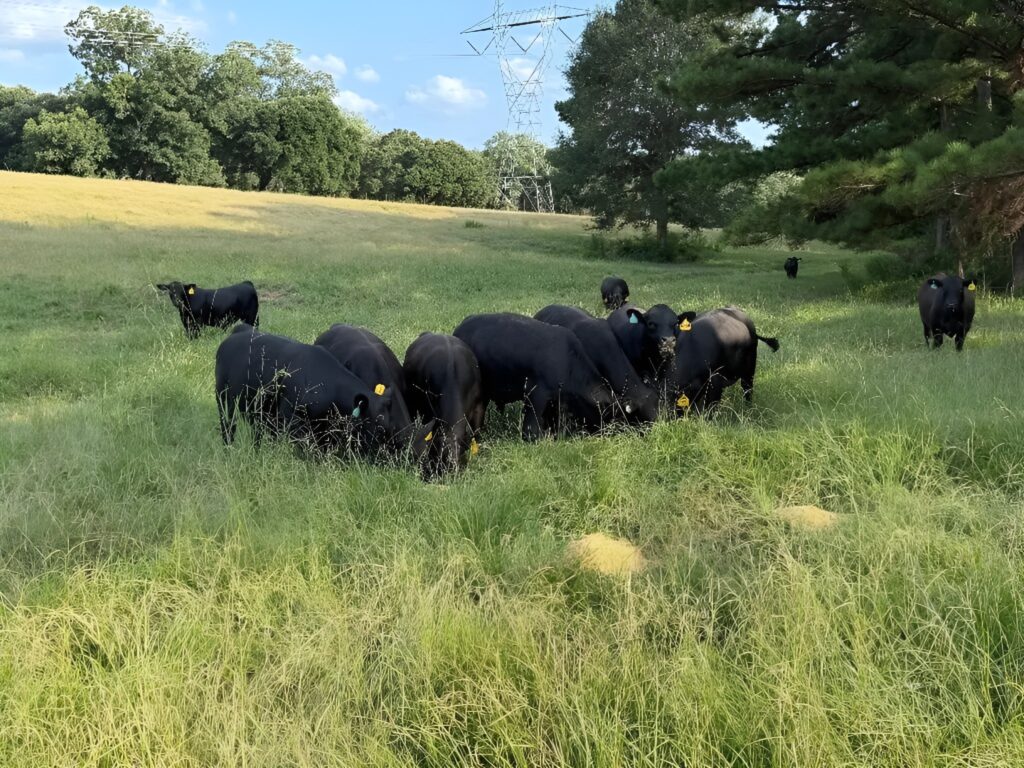
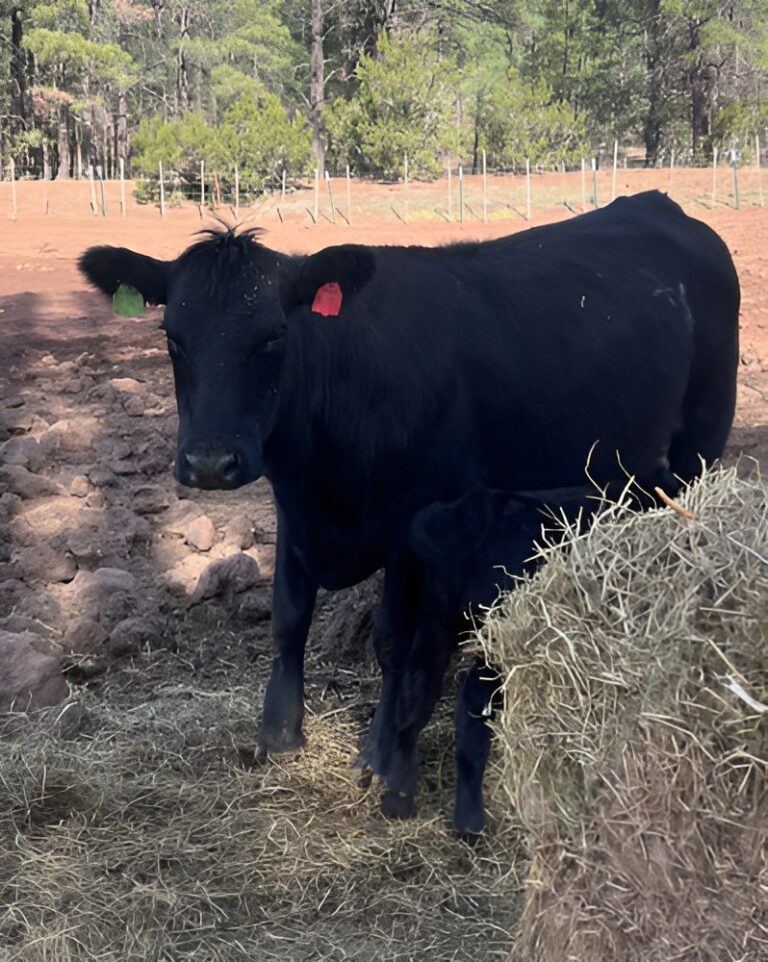
One of the first things buyers notice is hide color, but fewer understand why it matters beyond looks. Black angus cattle carry a solid black hide with no horns — Angus were bred polled from the start, which is one reason the breed spread so fast once ranchers realized they didn't have to dehorn calves by hand. Black angus cow herds also tend to handle fescue toxicity and Texas heat better than white-faced breeds, since the dark hide doesn't sunburn around the eyes and udder the way a Hereford's can.
Why Polled Genetics Still Matter
Polled is a dominant trait in Angus, but it isn't automatic — a bull with a scur or a stray horn gene can still throw horned calves if paired wrong. If correct polled genetics matter to your program, our 11 Reg. Angus Yearling Bulls are AAA registered with fertility guaranteed, so you know exactly what you're breeding into your herd.
Angus Cow Characteristics That Show Up at the Scale
Angus cow characteristics worth checking before you buy start with frame and finish with fleshing ability. A mature Angus cow typically settles between 1,100 and 1,400 pounds on a moderate program, with deep ribs and a level topline that holds condition through summer without extra feed. Angus cattle description aside, the trait that separates a good cow from a great one is how she looks in September after a dry August — easy keepers stay in flesh, hard keepers don't.
| Class | Typical weight | What we check |
|---|---|---|
| Weaned calf | 450–600 lb | Growth without excess frame |
| Bred heifer, 18–20 mo | 850–950 lb | Pelvic capacity, condition |
| Mature cow | 1,100–1,400 lb | Deep rib, easy fleshing |
| Mature bull | 1,800–2,100 lb | Structure, tested fertility |
If frame and calving ease are the priority, our angus heifers for sale are bred to low-birth-weight bulls specifically so a first-calf heifer isn't fighting an oversized calf.
Temperament: One of the Angus Characteristics That Pays Off Daily
Disposition doesn't show up on a pedigree, but it's one of the angus characteristics that decides whether cattle are easy to own or a daily fight. Generations of selection for docility have made well-bred Angus some of the calmest cattle on the market — they load, they work a chute, and they settle into new ground faster than flightier breeds. Individual temperament still varies, so we cull hard on it here and recommend any buyer watch a set move through a gate before they bid.
Buyer note: A calm cow turns and follows the herd through a gate. A nervous one bunches in a corner or tries to jump the fence — watch for that before you buy, not after.
Cow-calf pairs make temperament obvious fast, since a protective but flighty cow turns weaning into a fight every time. Our black angus cows for sale are handled regularly before they ever ship, which is the easiest way we know to weed out a nervous cow before she becomes your problem.
Black Angus Calves: Growth Facts Worth Knowing
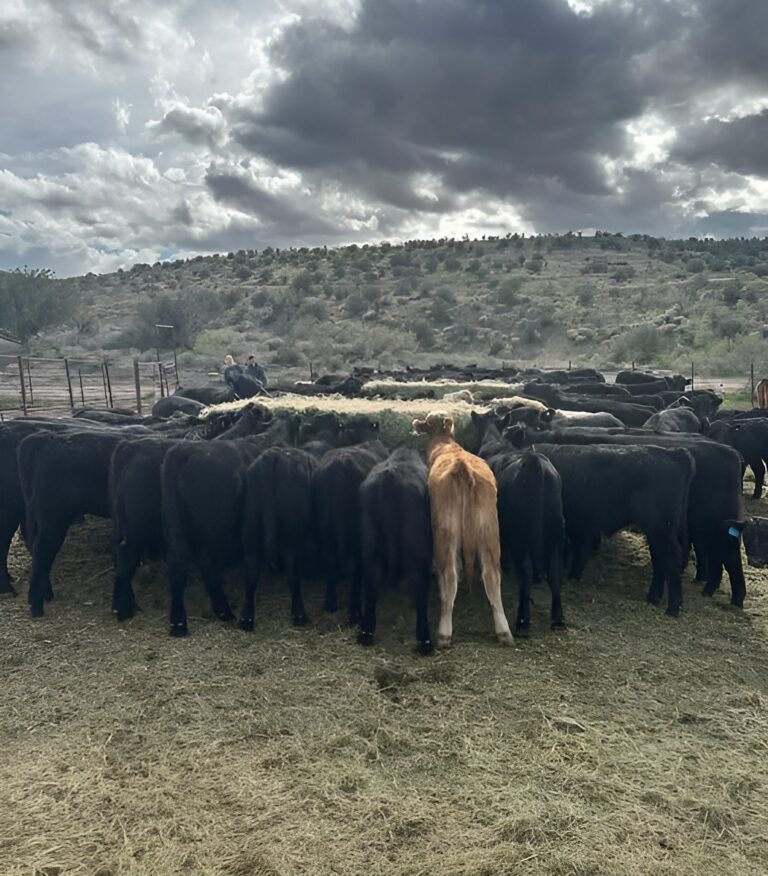
Black angus calves are known for steady, efficient growth rather than explosive early weight — Angus genetics favor moderate birth weights for easier calving, then solid gains once they're on grass and grain. A well-managed Angus calf typically weans between 450 and 600 pounds depending on the dam's milk and the season. Buyers restocking a feeder program often look specifically for black angus calves because of how consistently they finish and grade. Our 120 Weaned, Backgrounded Black Angus Calves listing shows exactly that kind of consistency — 60 steers and 60 heifers, already weaned and backgrounded.
What Angus Genetics Mean for Carcass and Beef Quality
Part of why Angus command a premium comes down to angus cattle facts that trace back to marbling. The breed deposits intramuscular fat more readily than most British and continental cattle, which is the trait behind the branded-beef programs you see in the grocery store. That doesn't mean every black animal grades the same — marbling still depends on genetics, age, and how the animal was finished — but it's why commercial buyers pay attention to Angus influence in a set of feeder cattle. The American Angus Association keeps the registry, EPDs, and performance data seedstock buyers use to compare bulls on paper, and it's worth checking any black angus cattle breed claim a seller makes before you pay a premium for papers.
A correct Angus cow should look like she's doing her job without help — deep-bodied, easy-fleshing, and quiet enough you forget she's even there.
From our place
After 25 years running Angus at Rochelle, the angus cattle facts we trust most are the ones we've watched hold up year after year, not the ones that make a good headline. The cattle that make us the most money are rarely the flashiest in the pen — they're moderate-framed, easy-fleshing, quiet cows that breed back every year without extra feed. We keep a few purebred herd bulls with that kind of structure on hand year-round for buyers building either a commercial or seedstock program.
Frequently asked questions
What are the most important angus cattle facts for a first-time buyer?
Solid black hide, polled heads, moderate frame, easy fleshing, and calm temperament. Buyers should also weigh maternal traits like calving ease and milk, and on the carcass side, marbling ability, since those carry the most economic weight over time.
Do all black angus cattle carry the same characteristics?
No — hide color and polled heads are consistent, but frame, growth, and temperament vary by bloodline and management. Two black angus cows can look identical standing in a pen and perform very differently in the herd.
What are the key characteristics of an angus cow to check before buying?
Deep rib, level topline, clean underline, moderate frame, and calm disposition at the chute. For breeding stock, add calving history or EPDs if the animal is registered.
Are black angus calves more expensive than other feeder calves?
Often yes, because of consistent grading and finishing performance. The premium reflects real growth efficiency and carcass quality, not just breed popularity.
Do Angus cattle handle Texas heat well?
Better than white-hided breeds in most cases, since the dark hide doesn't sunburn around the eyes or udder — though shade and water still matter in summer regardless of breed.
Whatever set you're comparing, weigh these angus cattle facts against what your own ground and program actually need. For a deeper look at frame, temperament and hide traits, see our post on Angus cattle characteristics, or check current numbers on the black angus cow price page before you call.
Looking for Angus cattle backed by real facts, not hype?
Every animal we list is priced on the listing, comes with health papers, and can be delivered to all 48 states.
Shop angus bulls for sale near me