
Fun Facts About Angus Cows Every Buyer Should Know
If you ask around, most people can only name one fun fact about angus cows: that they're black. There's more to it than that — where the breed actually came from, why they don't have horns, and why one healthy Angus cow occasionally throws twins are the kind of details that make more sense once you've worked cattle for a while. Here are the ones we actually find ourselves explaining to buyers.
We've run Angus cattle at Rochelle for more than 25 years, and these are the facts that come up most on the phone — not textbook trivia, but the ones that actually help you understand what you're buying. If you want to see the breed in person before reading further, our angus cattle for sale listing is a good place to start.
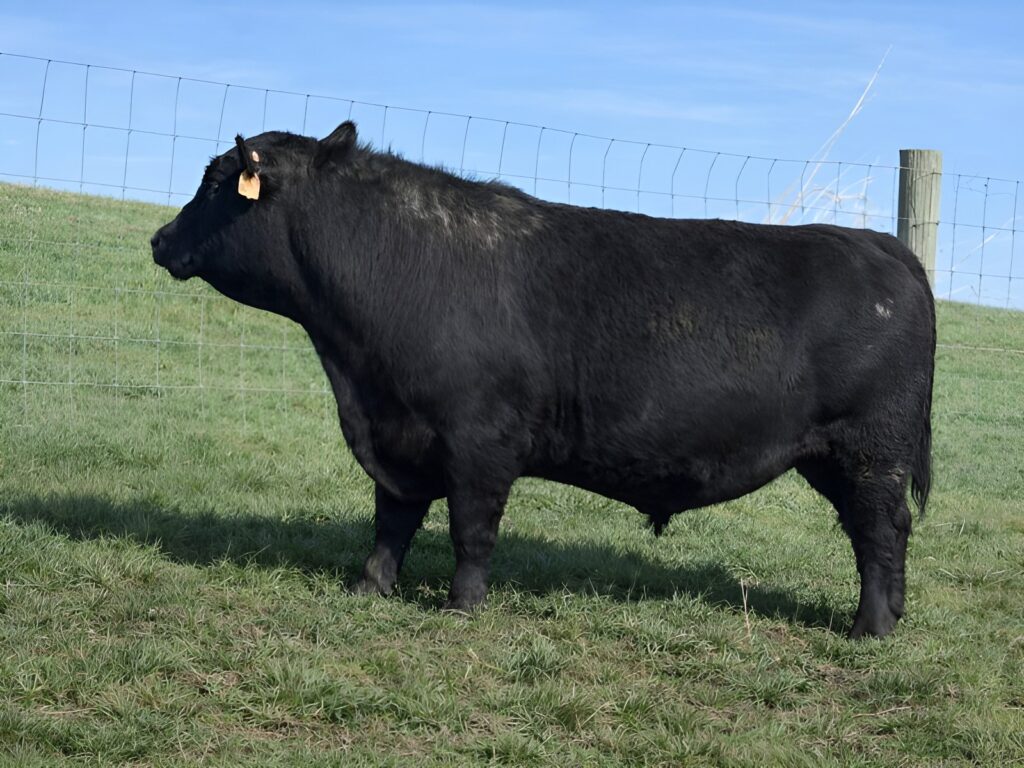
The Angus Breed Started in Scotland, Not Texas
One of the more surprising facts is that Angus cattle originated in Aberdeenshire and Angus counties in Scotland, developed from native black, hornless cattle long before the breed ever set foot in the US. The American Angus Association was formed in 1883 to register the breed here, and from there Angus spread across the country because the cattle handled a wide range of climates — a useful trait when you go from Scotland's damp hills to a Texas summer. Early importers brought the breed over specifically because it held up on rougher forage than some of the larger continental breeds available at the time, which is part of why it caught on so quickly with commercial ranchers.
Angus Cattle Are Naturally Polled — No Horns, No Dehorning
Angus cattle are naturally polled, meaning they're born without horns as part of their genetics, not because of any human intervention. That's actually one of the reasons Angus bulls are used so often on horned breeds like Hereford — crossing a polled Angus bull onto horned cows reliably removes horns from the calf crop, which is part of where black baldy cattle come from.
Angus Genetics Occasionally Throw Twins
Twinning isn't the norm in cattle, but it happens in Angus more often than most people expect, and it's not something you can plan for — it's just genetics showing up. We've had it happen on our own place; our Angus Cow W/Twins listing right now is a nine-year-old cow that raised a bull and heifer calf together this past August. It's a fun fact, but also a practical one: a cow that's thrown twins once is a little more likely to do it again.
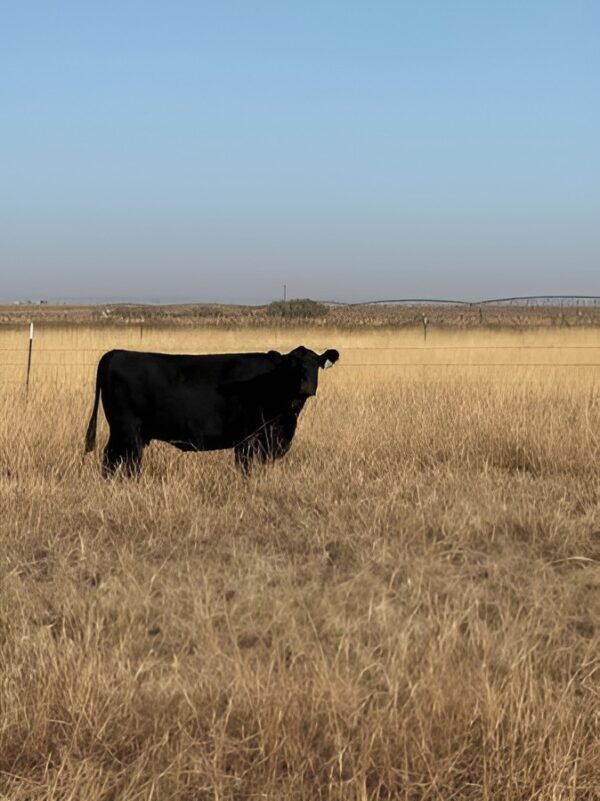
Angus Cattle Adapt to Nearly Any Climate
Another one of the practical angus cattle characteristics that gets overlooked is how well the breed adapts across climates. The same genetics that worked in Scotland's damp, cool hills have held up in the Texas heat, the Midwest cold, and everywhere in between, which is part of why Angus became the most common beef breed in the country rather than staying a regional specialty. That kind of adaptability doesn't show up as a single trait on paper, but it's one of the reasons commercial operations across such different climates all lean on the same breed, from fescue country to caliche pasture.
Black Angus Cattle Built an Entire Beef Brand
Black angus cattle are the foundation of an entire branded beef program — Certified Angus Beef exists specifically because the breed's angus cattle description, in terms of marbling and carcass consistency, made it worth building a separate quality standard around. That's part of why calves with any black angus cow influence often sell at a premium at the sale barn, papers or not.
Angus Cattle Are Known for Calm Temperament
Among the angus cow characteristics that don't show up on paper, temperament is one buyers notice fastest. Angus cattle have a reputation for being easier to handle than a lot of horned continental breeds, which is one of several angus characteristics that made the breed popular with small-acreage owners and 4-H families, not just commercial operations. If you're looking to start a first heifer project, our angus heifers for sale listings are a common starting point.
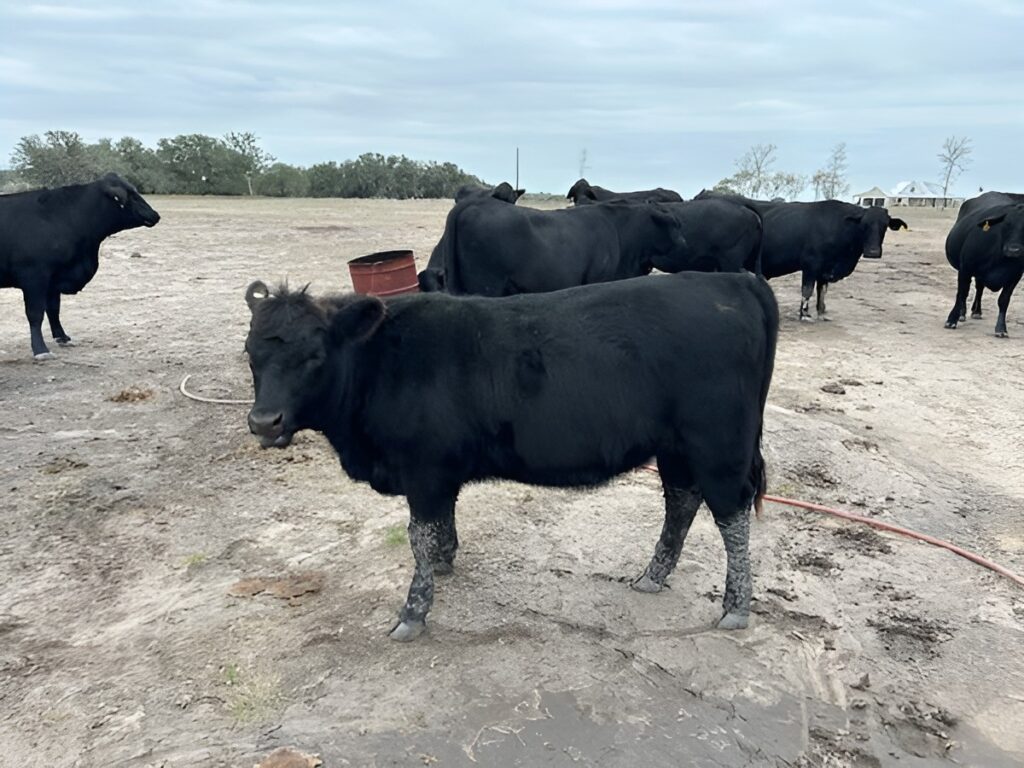
Buyer note: Temperament is partly genetic and partly taught — ask how an animal has been handled before assuming breed alone explains her disposition.
From our place
After 25 years of running Angus, the fun fact about angus cows we come back to most isn't in any book — it's that a good cow will teach her calf almost everything it needs to know about being handled, good or bad. We've watched black angus calves raised by a flighty cow turn out flighty themselves, and calm cows raise calm calves, generation after generation. That's one of the angus cow facts we weigh as heavily as any pedigree when we decide which cows stay in our own herd.
We go deeper on sizing these cattle up in our post on Angus cow weight by age and frame.
Frequently asked questions
What's a fun fact about Angus cows that most people don't know?
Many people don't realize Angus cattle originated in Scotland, not the US, and were naturally polled from the start rather than bred to lose their horns later. The breed's spread across American ranches happened well after it was already established overseas.
Are all Angus cattle naturally polled?
Yes, polled is a defining trait of the Angus breed — it's not a separate variety like it is in Hereford cattle. An Angus born with horns or scurs is unusual and typically points to some outside breeding somewhere in its background.
Do Angus cows really have twins?
Occasionally, yes. Twinning happens across most cattle breeds at a low rate, but it does occur in Angus, and a cow that has thrown twins once is somewhat more likely to do it again. It's not something a buyer can predict or select for reliably.
Where did Angus cattle originally come from?
Angus cattle originated in Aberdeenshire and Angus counties in Scotland, developed from native black, hornless cattle. The American Angus Association was formed in 1883 to register the breed in the US, and it has grown into one of the country's most common beef breeds since.
Why is Angus beef considered better?
Angus cattle tend to marble well relative to their frame size, which is why Certified Angus Beef exists as its own branded quality program. Genetics alone don't guarantee a top grade, but Angus genetics make it a more consistent target than many other breeds.
Are Angus cattle easy to handle?
Generally, yes — Angus have a reputation for calm temperament compared to many horned or continental breeds. Individual disposition still depends heavily on how the animal has been handled from birth, not just its breed.
Most of what makes Angus cattle worth knowing comes down to a handful of facts like these — Scottish origin, natural polling, calm temperament and a beef brand built around their carcass quality — rather than anything complicated.
Ready to See These Facts in the Field?
Every animal we list is priced on the listing, with health papers included, and delivery arranged to all 48 states — check current angus cattle prices before you call.
Angus bull sales