Horned Hereford Cattle vs Polled: Which Should You Buy?
Horned hereford cattle and polled Hereford cattle are the same breed carrying two different versions of one gene — horns versus no horns — and neither version is better in terms of growth, calving, temperament or beef quality. The choice usually comes down to how you plan to handle the cattle day to day, not which one is the "real" Hereford, since both have been part of the breed standard for generations.
We run both horned and polled Hereford at Rochelle, so this post walks through what actually differs between the two types, what stays the same, and which one tends to make more sense depending on your own setup and preferences. If you want to see both side by side, our hereford bulls for sale listings include horned and polled bulls in the same lineup.
What Actually Separates Horned Hereford Cattle From Polled
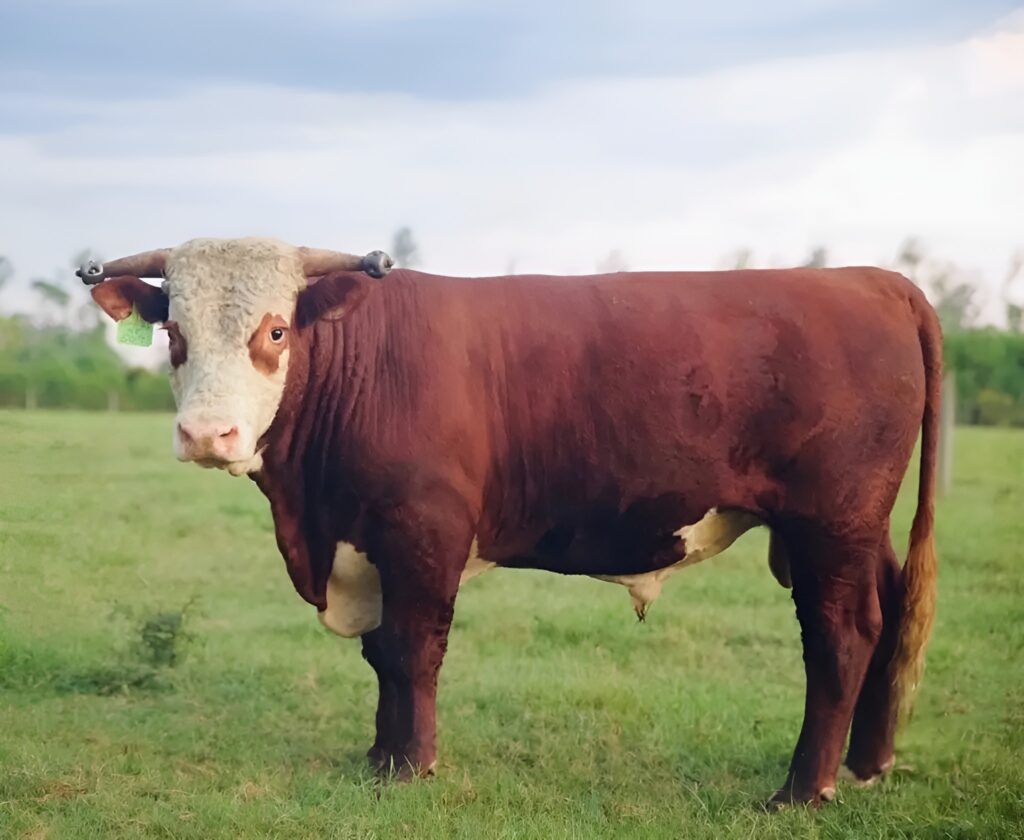
The difference between horned hereford cattle and a polled hereford cow comes down to a single genetic trait — whether the animal grows horns or not — and polled is dominant over horned, meaning a polled animal bred to a horned one usually produces polled calves in most matings. Every other hereford cattle characteristics trait — frame, color pattern, temperament, calving ease — shows up in both horn types equally, since horn status doesn't ride along with anything else in the genetics. Both types register through the same American Hereford Association standard, and our registered hereford cattle for sale listing carries both.
| Trait | Horned | Polled |
|---|---|---|
| Genetics | Recessive trait | Dominant trait |
| Frame and growth | Same as polled | Same as horned |
| Calving ease | Same as polled | Same as horned |
| Handling requirement | Typically dehorned young | No dehorning needed |
| Common association | Older bloodlines, Line One | Most modern commercial stock |
Reading straight down that table, the only real operational difference is the dehorning step — everything that drives an animal's productivity is identical between the two, which is why horn status is really a management decision rather than a quality decision.
Why Some Buyers Choose Horned
Some buyers specifically want horned genetics because certain hereford breed characteristics associated with older bloodlines, like the Line One Hereford program, were developed before polled became as widespread, and those horned lines carry decades of careful selection for maternal traits and hardiness on rough range conditions. Horns can also be useful for handling in some setups — sorting cattle by horn in certain chute systems, or simply because a buyer grew up around horned cattle and prefers the look. None of the hereford cattle traits that matter for production change because of horn status.
Why Most Commercial Buyers Choose Polled
The practical case for polled is mostly about safety and labor — no horns means no dehorning, less risk to other cattle in a pen, and less risk to the person working them. Most commercial buyers default to polled for that reason alone, even though it doesn't change performance. Dehorning itself is a routine procedure when done young, but it's still an added step, an added stress event for the calf, and an added line item on a vet bill that polled genetics simply skip. Our 20 Reg. Hereford Bulls listing includes both horned and polled options from the same group if you want to compare them directly rather than choosing sight unseen.
Does Horn Status Affect Hereford Cow Size or Calving?
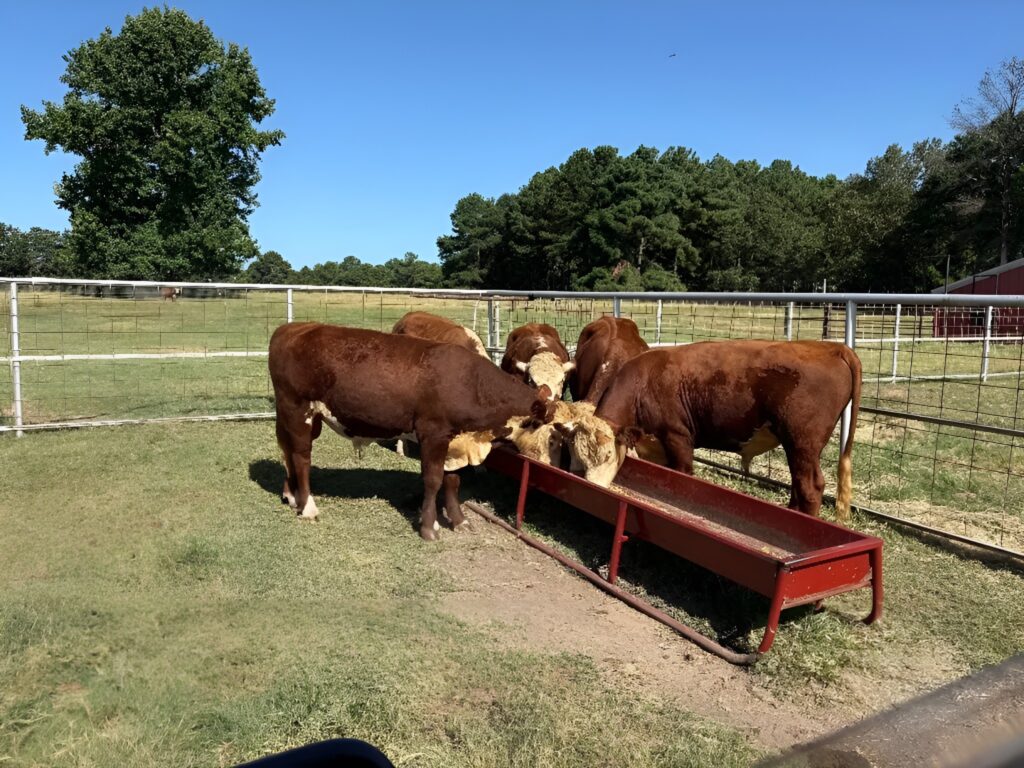
Horn status has no bearing on hereford cow size or hereford cattle calving — a horned cow and a polled cow of the same bloodline will run the same frame and calve about the same. We cover calving specifically in more detail elsewhere, since the traits that actually predict calving ease, like birth weight and EPDs, are unrelated to whether the calf will grow horns.
We go deeper on calving specifically in our buyer's guide to Hereford cattle calving.
Buyer note: Horn status is a coin-flip trait genetically — ask directly rather than assuming from a young calf, since scurs can develop into horns or stay dormant depending on the individual.
What to Ask a Seller
One of the more useful hereford cattle facts for a buyer is that a seller's hereford cattle description should specify horn status clearly, since it isn't always obvious from a young calf whether scurs will develop into horns or stay dormant. If you're buying young stock specifically for horn status, ask directly rather than assuming from a photo or a parent's appearance. Our 5 Reg. Hereford Bulls listing notes horn status individually for each bull.
From our place
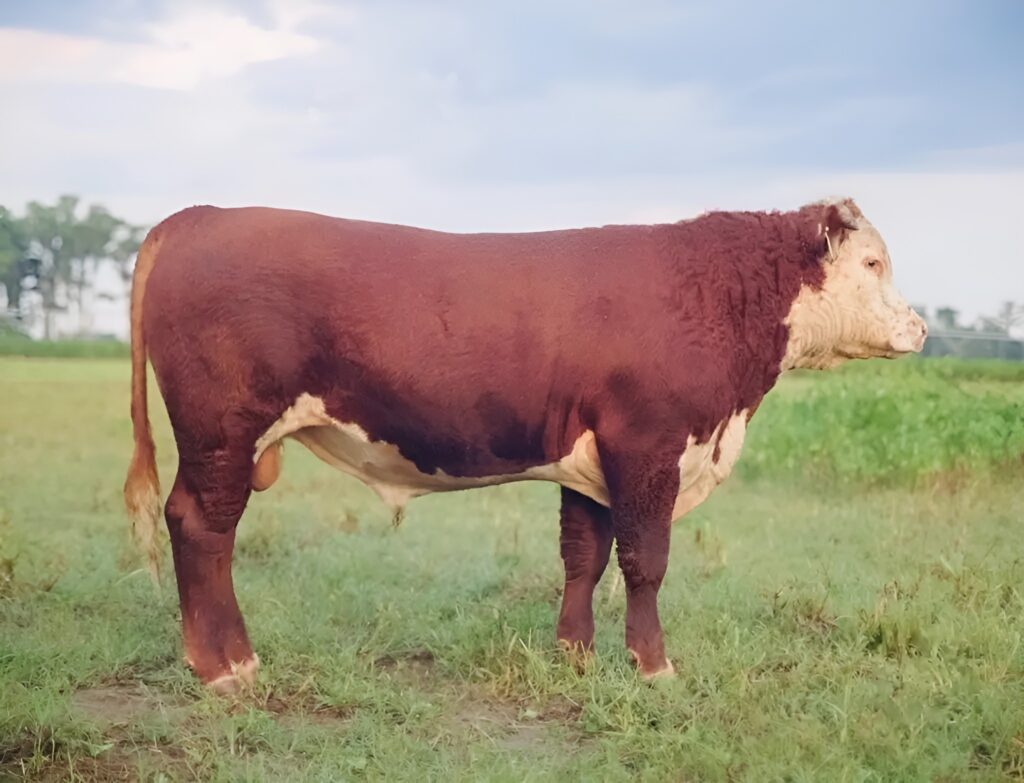
We've run both horn types side by side for years, and honestly the horn itself has never been the deciding factor in which animals we keep — disposition, structure and performance numbers matter far more. If anything, we lean polled on bulls we're turning out with heifers or kids around, simply to remove one variable from the handling equation, but a good horned bull earns his keep the same as a good polled one. We've also found that buyers new to cattle tend to overthink the horn question more than experienced ones do — once you've worked both types for a season, the decision usually settles itself based on your own setup rather than any inherent advantage either way.
Frequently asked questions
Is horned or polled Hereford better?
Neither is inherently better — they're the same breed with different horn genetics. The right choice depends on your handling setup and preference, not on growth, calving or beef quality, which are unaffected either way by horn status.
Can two horned Herefords produce a polled calf?
No. Horned is recessive, so two horned parents can only produce horned calves. A polled calf requires at least one polled parent carrying the dominant polled gene.
Do horned Herefords need to be dehorned?
Most commercial operations dehorn horned cattle for safety, typically at a young age when it's less stressful on the animal. It's an added step polled cattle don't require, which is part of why many buyers default to polled.
Does horn status affect Hereford beef quality?
No. Carcass quality, marbling and growth are unrelated to whether an animal carries horns, since horn status is a single independent genetic trait.
Are horned Herefords more valuable than polled?
Not generally. Most commercial buyers prefer polled for handling reasons, which can make polled cattle slightly more in demand, but registered horned bloodlines with strong maternal traits still hold real value with buyers who want them specifically.
How do I know if a Hereford calf will grow horns?
Check for scurs or small horn buds, which usually appear within the first few months, or ask the seller for the parents' horn status. A polled parent doesn't guarantee a polled calf if the other parent carries a recessive horned gene.
Horned hereford cattle and polled cattle come down to one gene and a handling preference — everything else that actually matters to a buyer, from frame to fertility to disposition, carries over identically between the two.
Looking for Horned or Polled Hereford Genetics?
Every animal we list notes horn status, and everything is priced on the listing — see current hereford cow price figures and delivery is arranged to all 48 states.
Hereford cow for sale