What Angus Cattle Facts Actually Matter to a Buyer?
When you're standing at a fence trying to decide whether to write a check, most of the Angus cattle facts you'll find online don't tell you what you actually need to know. The ones that matter come down to five things: color and papers, frame and weight, temperament, calving ease, and how the animal is likely to finish. Everything else is trivia.
We've run Angus cattle at Rochelle for more than 25 years, buying and selling everything from bred heifers to mature herd bulls, so this isn't a list pulled from a textbook. It's the same handful of facts we walk buyers through on the phone before a truck ever pulls in. If you're shopping right now, our current angus cattle for sale listing carries the same traits we cover below.
Angus Cattle Facts on Color and Papers
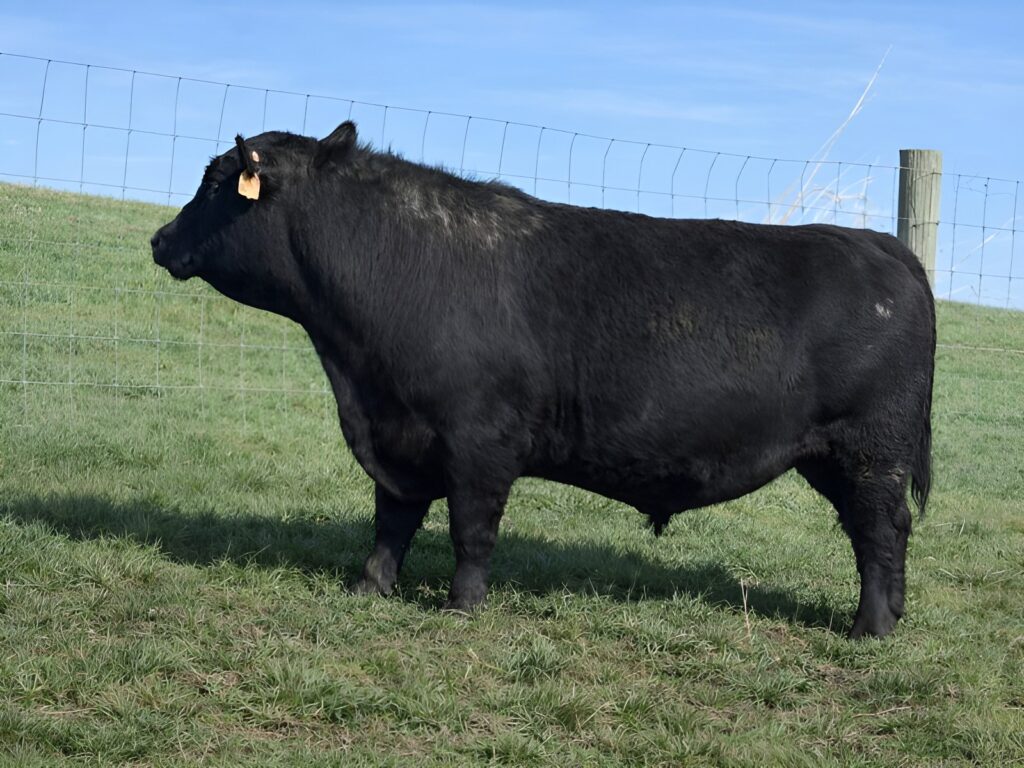
The first thing most buyers ask about is simple: color and paperwork. A purebred black angus cow carries a solid black hide with no white markings above the flank, and that consistency is part of why the breed sells so well at weaning — buyers know what they're getting. Registered Angus carry American Angus Association papers, commonly called AAA papers, that track pedigree, EPDs and ownership back through the dam and sire lines. Commercial black angus cattle without papers can still be excellent, productive animals; the paperwork mainly affects resale value and whether the calves can themselves be registered.
Angus Cow Weight and Frame Size
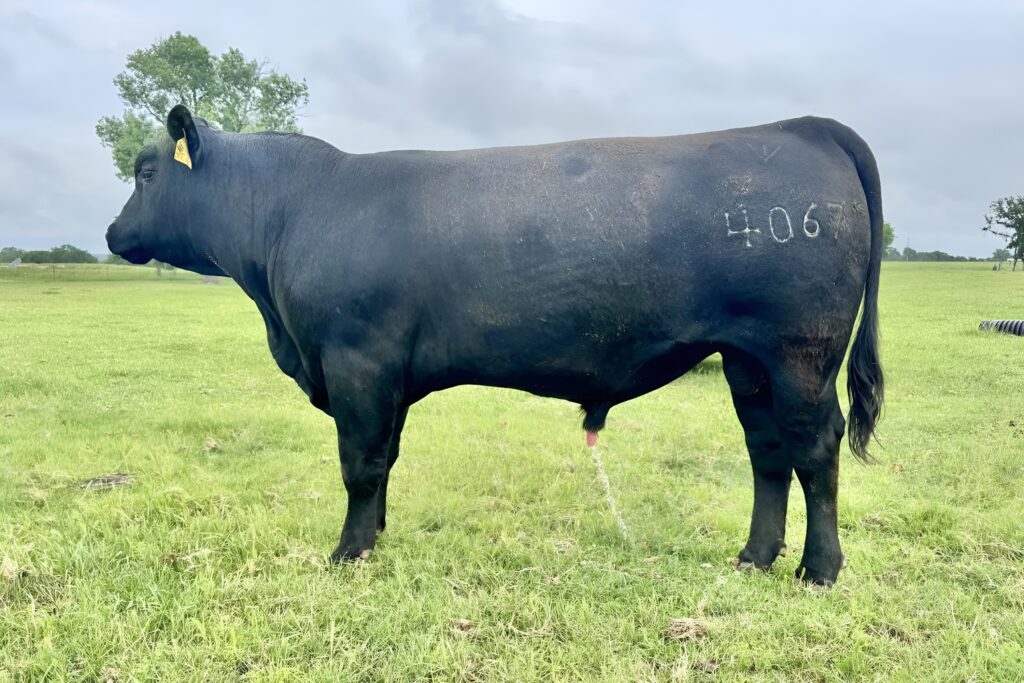
Frame size and angus cow weight are where a lot of buyers get surprised. A mature commercial Angus cow typically runs 1,100 to 1,400 pounds on a moderate frame, with registered seedstock cows sometimes heavier depending on the line. Mature bulls carry considerably more — a herd bull in working condition commonly weighs 1,800 to 2,200 pounds. Beef cattle angus size has trended toward moderate frames over the last couple of decades because moderate-framed cows breed back more reliably on grass and don't need as much feed to hold condition through a Texas summer.
| Class | Typical weight | Notes |
|---|---|---|
| Mature cow | 1,100–1,400 lb | Moderate frame, commercial |
| Mature bull | 1,800–2,200 lb | Working condition |
| Weaned calf | 450–600 lb | At 6–7 months |
| Birth weight | 65–85 lb | Low-birth-weight bulls run lower |
Temperament — Why Angus Handle Easily
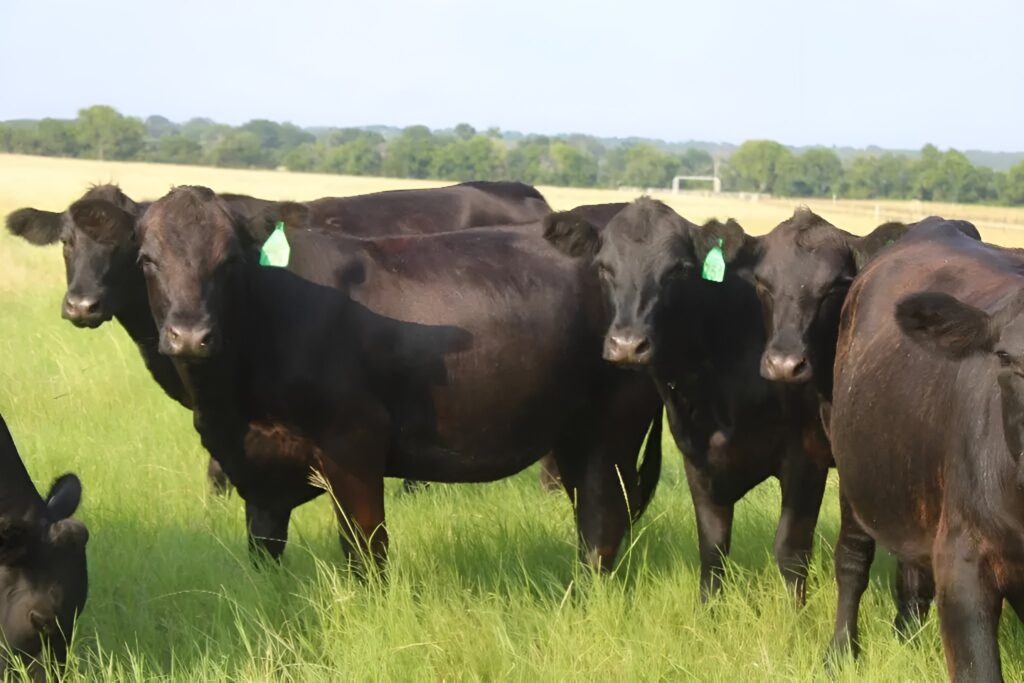
Angus cow characteristics that don't show up in a sale catalog matter just as much as the ones that do, and temperament tops that list. Angus cattle are known for being calm and easy to work compared to some of the horned continental breeds, which matters if you're running cattle by yourself on a small acreage or bringing kids into 4-H with their first heifer — our angus heifers for sale listings are a common starting point for exactly that. That said, disposition is partly genetics and partly how an animal has been handled — a gentle heifer raised on a bucket and halter-broke early will behave differently than one that's only seen people at the chute twice a year.
Buyer note: Ask the seller how the animal has been handled, not just what breed it is. Temperament is bred for, but it's also taught.
Calving Ease and Black Angus Calves
One of the angus cow facts that pays off every spring is calving ease. Angus bulls with low birth-weight EPDs are widely used specifically to get black angus calves on the ground without assistance, which is why you'll see bulls marketed by their birth-weight number as much as by their frame. If you're adding a bull specifically to tighten up calving ease in your herd, our 13 Reg. Angus Bull Calves come with birth weights and fertility guarantees listed on the page. A cow that calves easily, breeds back within 80 to 90 days and raises a calf to a solid weaning weight is doing the job a commercial operation actually needs — and if you'd rather start with a proven pair than raise a calf yourself, our angus cows for sale are already paired up.
Growth, Marbling and What Angus Cattle Are Bred For
Angus cattle facts about carcass quality explain most of why the breed dominates the commercial beef market. Black angus cattle marble well relative to their frame size, which is the main reason Certified Angus Beef exists as its own branded program — genetics alone don't guarantee a Choice or Prime grade, but Angus genetics make it a realistic target more consistently than most other breeds. For a commercial cow-calf operation, that translates into calves that sell at a premium at the sale barn even without papers, simply because buyers down the chain know what an Angus-influenced calf is likely to grade.
Registered vs. Commercial — Which Facts Actually Change the Price
By the time you're comparing two Angus cattle side by side, most of the angus cattle characteristics that separate a good animal from an average one come down to structure, disposition and performance data rather than color, since almost all commercial Angus in the U.S. are solid black. Registered bulls carry EPDs for calving ease, weaning weight, yearling weight and marbling that let you predict, on paper, how their calves are likely to perform. If you specifically want herd sires with that data attached, our angus bull sales page has current listings, and our 5 Reg. Angus Bulls come with EPDs and fertility testing on every bull. Commercial cows and pairs don't come with that data, but a good set of eyes and a look at the calf at side tells you most of what you need.
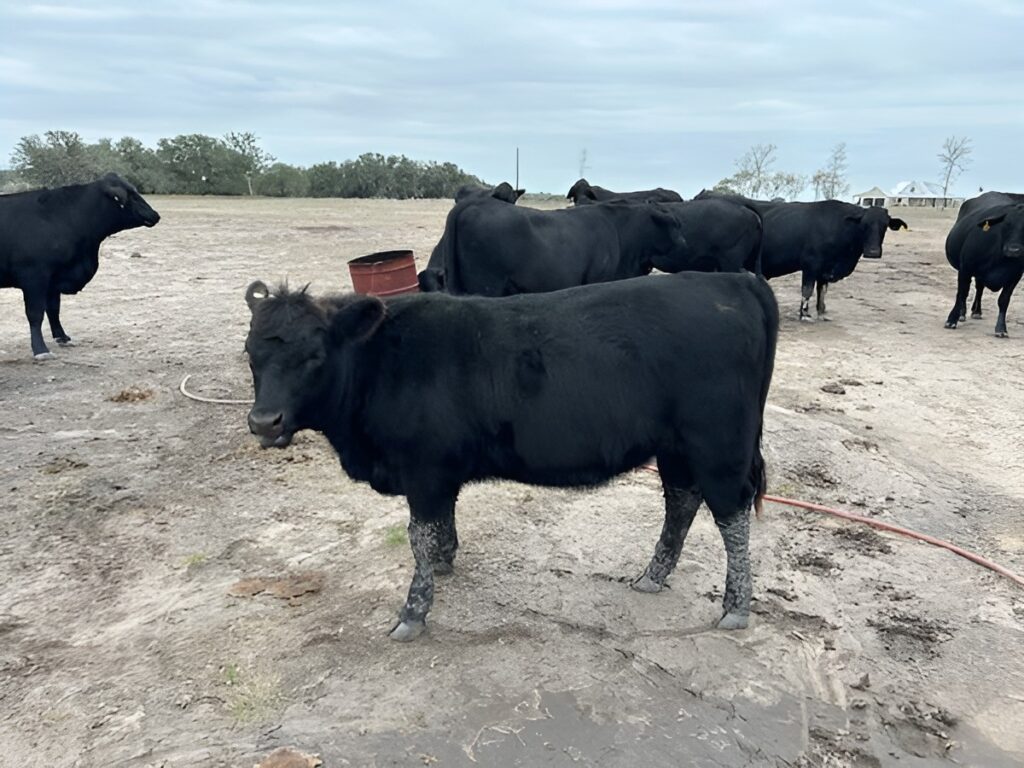
From our place
We've kept Angus and Angus-influenced cattle in our program at Rochelle for a long time because they do what we need them to do without much drama — they breed back, they calve without much help most years, and the calves sell well whether they're registered or not. What we actually select for on our own place is disposition first, then structure, then whatever the papers say, because a cow that won't settle or won't let you near her calf isn't worth much no matter her pedigree. We keep a small set of registered bulls specifically to hold calving ease and growth numbers steady across our commercial cows, which is where a lot of the Angus cattle facts above actually pay for themselves.
We cover a few more of these in our post on fun Angus cow facts, including where the polled gene actually came from.
Frequently asked questions
What's a fun fact about Angus cows?
One of the more surprising angus cow facts is that the breed originated in Aberdeenshire and Angus counties in Scotland as naturally polled, hornless cattle, which was unusual for the era. That polled trait is part of why Angus crossed so easily onto horned breeds to breed the horns out of commercial herds.
What color are Angus cattle?
Traditional Angus cattle are solid black, though the breed also comes in a red-hided variety recognized separately as Red Angus. White markings are limited to a small patch behind the navel on registered animals; anything more is usually a sign of outside breeding.
How much does a mature Angus cow weigh?
Angus cow weight for a mature commercial cow typically runs 1,100 to 1,400 pounds on a moderate frame. Registered seedstock cows can run somewhat heavier depending on the bloodline, and frame size varies enough between herds that weight alone isn't a reliable way to judge quality.
Are Angus cattle easy to handle?
Compared to many horned or continental breeds, yes — Angus have a reputation for calm temperament that makes them a common choice for small-acreage owners and 4-H families. Individual disposition still depends heavily on how an animal has been handled from birth, not just its breed.
What's the difference between registered and commercial Angus?
Registered Angus carry American Angus Association papers with a documented pedigree and EPDs for traits like calving ease and marbling. Commercial Angus cattle can be just as productive but don't carry that paperwork, which mainly affects resale value and whether their calves can be registered.
Do Angus cattle need special care compared to other breeds?
Not particularly. Angus are hardy in most U.S. climates and do well on grass-based programs, though like any dark-hided breed they benefit from shade in extreme summer heat. Standard vaccination, mineral and parasite programs used for any beef herd work fine for Angus.
That's the short list of Angus cattle facts that actually move the needle on price — everything else is worth knowing, but it won't change what you pay or what you get.
Looking for Angus Cattle That Match These Facts?
Every animal we list is priced on the listing rather than quoted over the phone — check current angus cattle prices and know that current inventory ships to all 48 states.
Browse all cattle