Black Angus Cattle Breed: History, Traits and the US Market
The black angus cattle breed dominates American beef production for reasons that go beyond a solid black hide — it's the traits behind that hide, built up over more than 150 years of selection, that made Angus the most-registered beef breed in the country. If you're buying into the breed for the first time, it helps to know where those traits came from and why they still command a premium today.
We've run Angus and Angus-cross cattle at our place in Rochelle for more than 25 years, and this post covers what actually defines the black angus cattle breed — its Scottish origins, the traits that made it spread across US ranches, its carcass reputation, and where it stands in today's market. If you're comparing a set of black angus cattle for sale, this is the background we'd want before we bid.
What Defines the Black Angus Cattle Breed
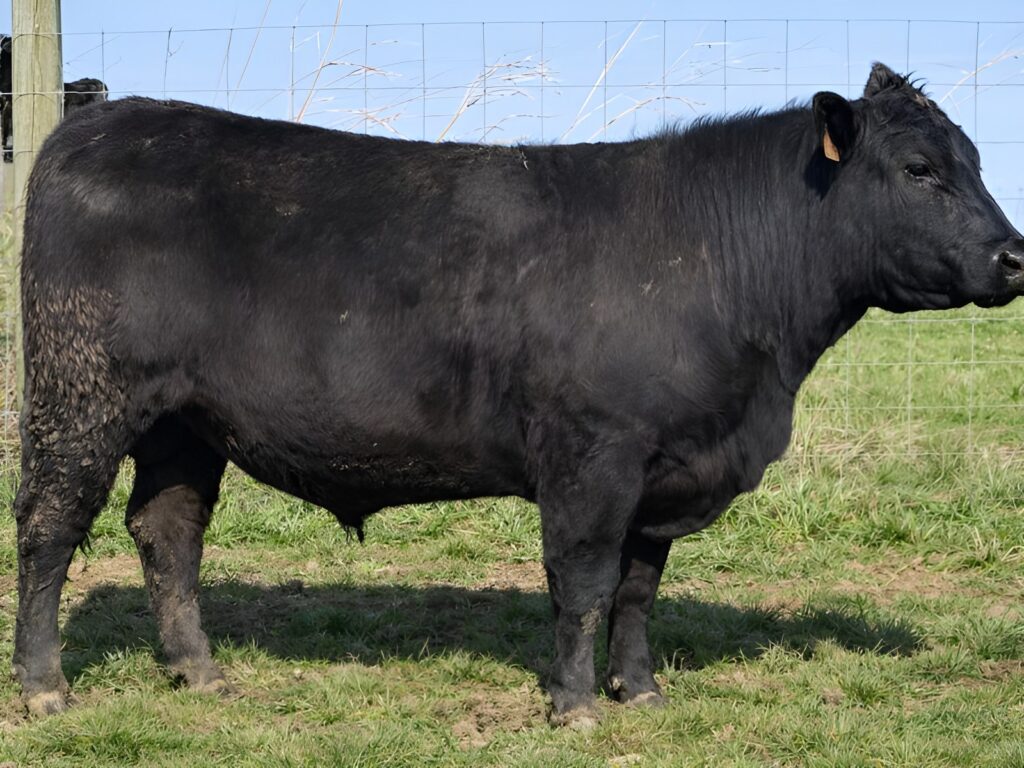
Anyone who's spent time around cattle can pick out the black angus cattle breed without a second look: solid black hide, no horns, and a body that's deep and wide rather than tall and rangy. Angus cows characteristics run consistent across the breed — moderate frame, good bone, and enough natural fleshing to hold condition through a dry summer without extra feed. Black angus cattle also handle Texas heat and fescue toxicity better than white-faced breeds, since the dark hide doesn't sunburn around the eyes and udder.
Why the Breed Spread So Fast
Angus were bred polled from the start, which sounds minor until you've dehorned a pen of calves by hand — ranchers who switched to the breed didn't have to do that anymore. Combined with calm temperament and easy calving, it's a big part of why the breed spread across American ranches so quickly. Our Black Angus Bulls listing shows correct polled genetics bred for performance and calving ease.
The Breed's History: From Scotland to the US Range
The black angus cattle breed traces back to Aberdeenshire and Angus County in Scotland, where the polled, black cattle were prized for hardiness on rough ground long before they were imported to the United States in the 1870s. American breeders selected hard for the traits that mattered on this side of the Atlantic — fertility, calving ease, and the ability to finish on grass or grain — and the breed grew from a regional curiosity into the most-registered beef breed in the country. The American Angus Association keeps the registry, EPDs, and performance data that trace that history animal by animal.
A correct Angus cow should look like she's doing her job without help — deep-bodied, easy-fleshing, and quiet enough you forget she's even there.
Angus Beef Cattle Characteristics and Carcass Quality
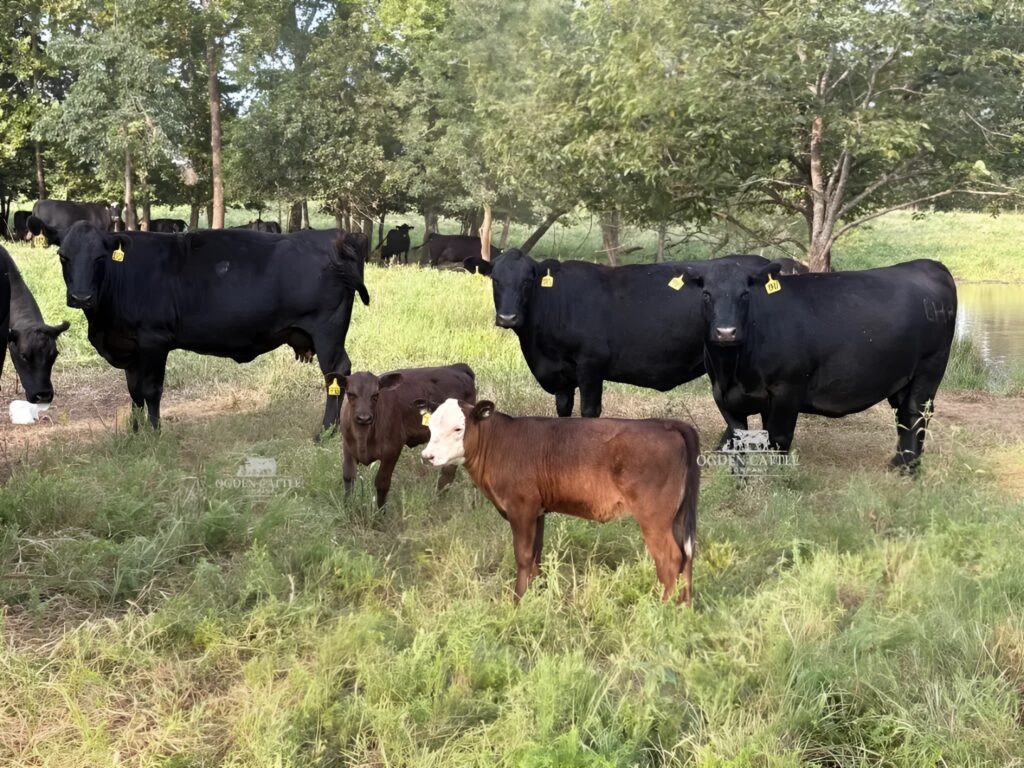
Part of why the black angus cattle breed commands a premium comes down to angus beef cattle characteristics that trace directly back to marbling. The breed deposits intramuscular fat more readily than most British and continental cattle, which is the trait behind branded-beef programs like Certified Angus Beef. That doesn't mean every black animal grades the same — marbling still depends on genetics, age, and how the animal was finished — but it's exactly why commercial buyers pay attention to Angus influence in a set of feeder calves. Beef cattle angus size also plays into this: a mature cow typically runs 1,100 to 1,400 pounds, with enough frame to grow calves fast without getting so big she costs more to feed than she's worth.
| Class | Typical weight | What buyers check |
|---|---|---|
| Weaned calf | 450–600 lb | Growth, uniformity |
| Bred heifer | 850–950 lb | Pelvic capacity, condition |
| Mature cow | 1,100–1,400 lb | Deep rib, easy fleshing |
Buyers restocking a feeder program often look specifically for black angus calves because of how consistently they finish and grade once they hit the rail.
Where the Breed Stands in the US Market Today
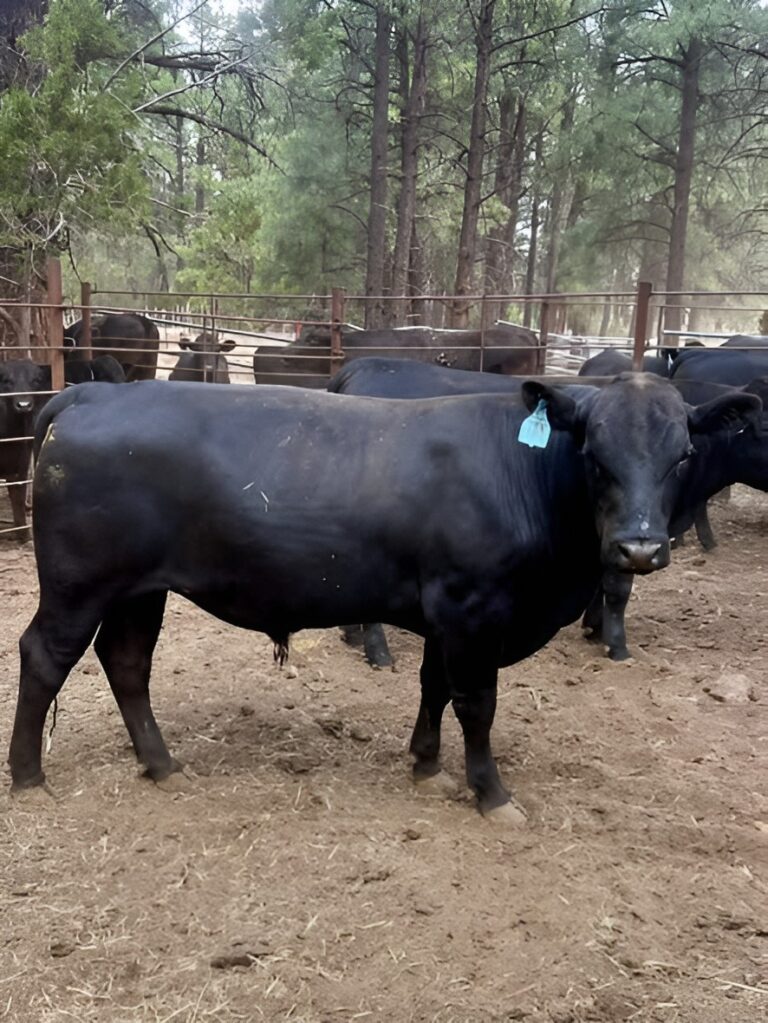
The black angus cattle breed now makes up the majority of registered beef cattle in the country, and its genetics show up even in herds that aren't purebred Angus — a lot of commercial Black Baldy and crossbred cattle carry Angus influence for exactly the traits described above. A full accounting of characteristics of an angus cow has to include how well the breed crosses, since that flexibility is part of why it dominates the commercial market, not just the seedstock side. If frame and calving ease matter to your program, our angus heifers for sale are bred to low-birth-weight bulls specifically to keep first-calf heifers out of trouble.
Buyer note: Angus influence doesn't require a purebred animal to show up in performance. A Black Baldy or commercial cross with strong Angus genetics can carry a lot of the same carcass and maternal traits.
From our place
After 25 years running this breed, the angus cattle description we trust is the one that holds up in the pasture, not the one that sounds good in a sale catalog. The cattle that make us the most money are rarely the flashiest in the pen — they're moderate-framed, easy-fleshing, quiet cows that breed back every year without extra feed. Our black angus cows for sale are handled regularly before they ship, which is the easiest way we know to confirm those traits before they become your problem or your profit. We've culled hard on structure and disposition for a quarter century now, and it shows in how little trouble these cattle give us at the chute.
Frequently asked questions
What makes the black angus cattle breed different from other beef breeds?
Solid black hide, polled heads, moderate frame, and genetics that favor marbling and easy calving. Those traits combine to make the breed both commercially efficient and popular for branded beef programs.
Where did the black angus cattle breed originate?
Aberdeenshire and Angus County in Scotland, where the breed was prized for hardiness before being imported to the United States in the 1870s and selected hard for American ranching conditions.
Why do Black Angus genetics show up in so many crossbred cattle?
Because Angus bulls reliably pass on polled heads, calving ease, and marbling potential even in a cross, which is why commercial programs use Angus genetics to improve herds that aren't purebred.
How big is a typical black angus cattle breed cow?
Most mature cows run 1,100 to 1,400 pounds on a moderate program. Registered seedstock lines can run heavier depending on how they were developed and fed.
Are black angus calves worth more than other feeder calves?
Often yes, because of consistent grading and finishing performance tied to the breed's marbling genetics — a premium that reflects real angus beef cattle characteristics, not just breed popularity.
Whatever your program looks like, the black angus cattle breed rewards buyers who understand the traits behind the hide, not just the color. For more on the facts worth knowing before you buy, see our post on Angus cattle facts, or check current numbers on the black angus cattle prices page before you call.
Looking for Black Angus backed by real genetics, not just hype?
Every animal we list is priced on the listing, comes with health papers, and can be delivered to all 48 states.
Shop angus bulls for sale near me